






Above: Kjellberg’s iQ technology simplifies setup and improves process consistency
September, 2026- A decade ago, conversations about plasma processing “centered almost entirely around cut quality and speed,” says Walt Lewis, president of Kjellberg Cutting Inc.
Precise cuts improve the efficiency of the cutting operation and all processes that follow. “Every minute spent cleaning an edge, correcting a fit-up issue or reworking a part is time that isn’t adding value,” notes Lewis.
However, today’s fabricators are equally focused on machine uptime, ease of operation and the ability to produce consistent parts, “regardless of who is operating the machine,” Lewis continues. “Skilled labor remains one of the industry’s biggest challenges, so manufacturers aren’t simply looking for machines that cut steel better they are looking for machines that help people cut steel better.”
During his more than 20 years in plasma cutting, Lewis says he was called “countless times” to customers about a down machine, “only to discover that a new operator selected the wrong process or installed the wrong consumable stack. The problem isn’t the new operator,” he says. “The machine isn’t doing enough to help them succeed.”
In addition, the manufacturing workforce increasingly expects the technology they use on the shop floor to be as connected as the smartphones in their pockets. Lewis says that many workers new to the industry walk into a fabrication shop and encounter buttons, switches, cryptic fault codes, printed manuals and interfaces that haven’t changed in 10 or more years.
“The best plasma systems are becoming less reactive and more proactive,” he says, providing meaningful guidance beyond an error code. “They identify consumable wear status, monitor system health and help operators prevent problems before they result in scrap or downtime.”
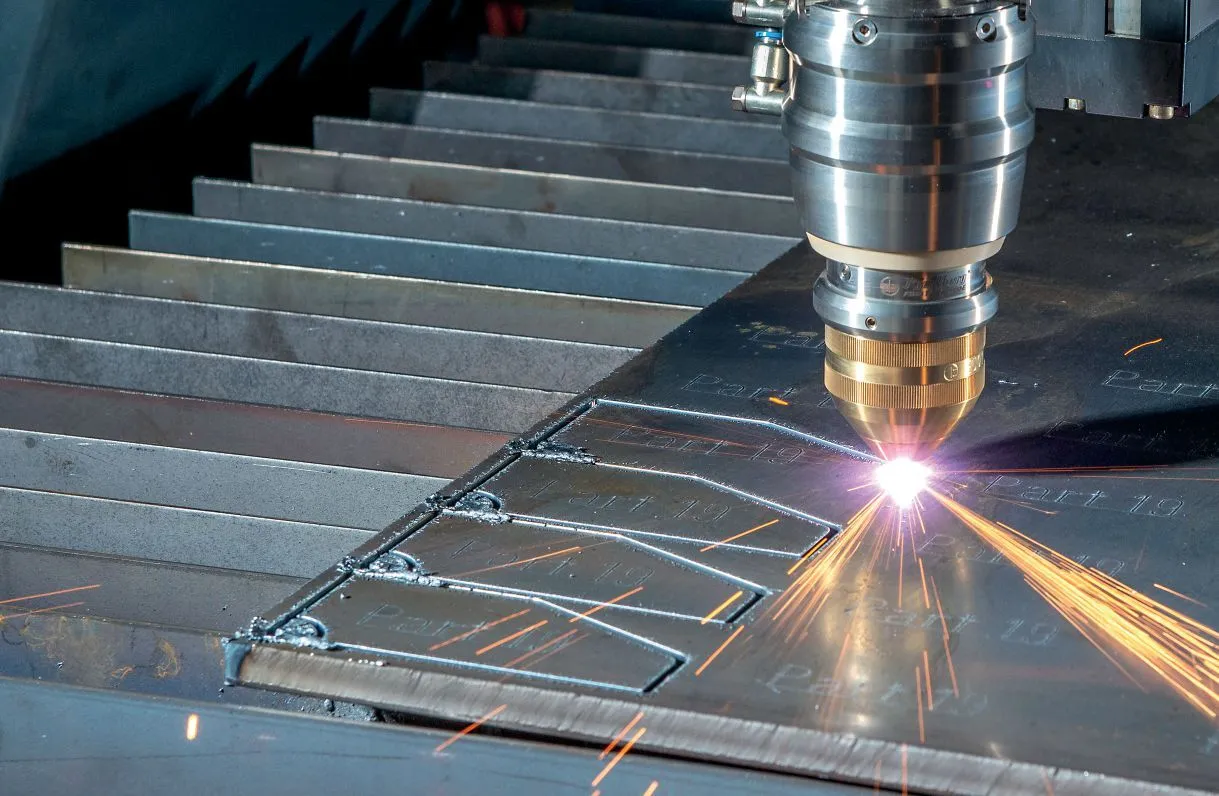
Plasma cutting innovations are designed to help fabricators achieve more consistent results while reducing downtime, scrap and avoidable repair costs.
MONITORING
Kjellberg’s iQ, Q, HiFocus and Smart Focus series integrate seamlessly into CNC cutting tables, pipe cutting machines and robotic cutting applications, enabling precise contours, accurate hole cutting and clean bevel cuts. The iQ system also “actively monitors consumable wear, stops the machine if the operator runs the consumables beyond usable life and proactively suggests maintenance items,” Lewis notes.
“The technology simplifies setup, improves process consistency and provides operators with meaningful information about the system’s condition, rather than simply displaying fault codes,” he continues. “We’ve also expanded our automation capabilities with an integrated automatic torch changing solution that reduces manual intervention and helps maximize machine uptime.”
Kjellberg’s TorchGuardian family of technologies includes features such as iQ Life Track that monitors consumable wear and LifeShield that protects the torch by stopping the cutting process before excessively worn consumables can cause expensive torch damage. “These innovations were designed with one objective in mind: helping fabricators achieve more consistent results while reducing downtime, scrap and avoidable repair costs.”
STANDARDIZED MAINTENANCE
One customer, a leading North American manufacturer of construction and agricultural equipment, recently installed multiple Q-Series plasma machines. “Their primary objective wasn’t simply to improve cut quality,” Lewis notes. “It was to reduce unplanned downtime and protect expensive torch components in a high-volume production environment where multiple operators use the equipment.”
Since implementing LifeShield, the system has automatically stopped production before worn-out consumables could damage the torch body. “In addition to avoiding costly repairs, the technology has helped standardize maintenance practices and given operators greater confidence that the machine is protecting itself when consumables reach the end of their usable life,” Lewis says.
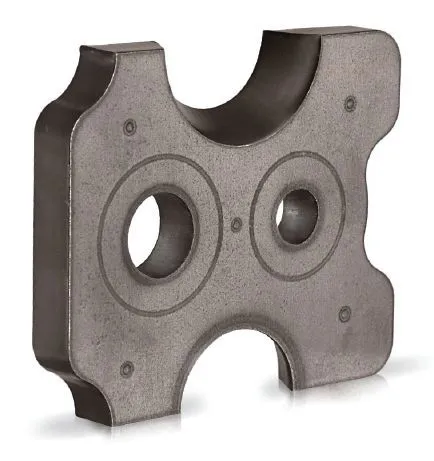
Kjellberg systems enable precise contours, accurate hole cutting and clean bevel cuts.
LEVERAGING TECHNOLOGY
The future of fabrication will not be defined by the fastest machine or the highest cutting capacity. It will be defined by companies that can best leverage technology to capture knowledge, empower operators and produce more parts with fewer skilled people.
The plasma systems that succeed in the future will be the systems that train, guide, protect and assist their operators.
“Nearly every innovation we’ve introduced started with a conversation with our customers,” says Lewis. “They weren’t simply asking for a faster plasma system. They wanted equipment that was easier to operate, required less training, reduced rework, protected itself from operator mistakes and decreased overall operating costs.”
Kjellberg offers several plasma platforms to accommodate a wide variety of customers, materials and future plans. “We never begin the conversation by introducing our products,” Lewis says. Instead, Kjellberg’s team asks questions about what the client is cutting and where they want their business to be five years from now.
“Understanding their materials, production volumes, staffing, automation goals and future growth allows us to recommend the solution that best fits their operation, not simply the largest machine or the newest technology.”
He points out that a common misconception is that higher amperage means better performance. “In reality, selecting the right process for the application often has a much greater impact on productivity, cut quality and operating costs than simply choosing a larger power supply. Our goal is to help customers invest in the solution that delivers the greatest long-term value for their business.
Kjellberg Cutting Inc., kjellbergcutting.com.