






Written by: Rakesh Kumar, President, HSG North America
October, 2026- Metal fabrication is entering a period of significant change. For manufacturers, the question is no longer simply, “How fast can my machine cut?” Increasingly, the more important question is, “How efficiently can my entire operation move material from order to finished part?” That shift will be a defining factor in the development of North American fabricators.
A faster laser, press brake or higher-powered system can deliver measurable gains, but machine speed alone does not necessarily translate into higher overall productivity.
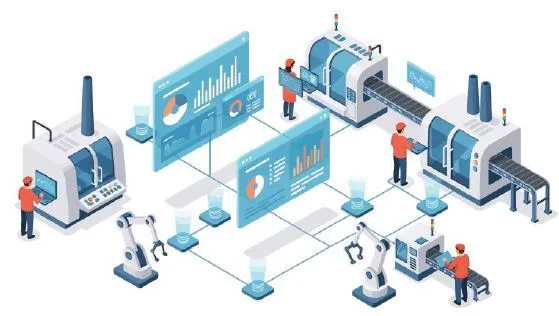
Production is connected. A laser can cut faster, but if operators spend a long time waiting for material, loading sheets, sorting parts or moving work between departments, much of the initial gains can be lost. Likewise, a productive bending operation cannot compensate for bottlenecks elsewhere.
TIME TRACKING
Before investing in new technology, manufacturers should understand where time is actually being lost:
• How much time is spent loading and unloading?
• How frequently is material moved unnecessarily?
• How long does a job wait between cutting and bending?
• How much labor is dedicated to repetitive handling rather than skilled production work?
For many shops, the answer may not be to purchase the largest or fastest machine available. It may be creating a better sequence of operations, improving material flow, introducing automation at a specific bottleneck or connecting processes through better production planning and software.
SOLVING FOR X
Automation is often discussed as an end goal, but I believe it is more useful as a tool for solving specific production challenges. A high-volume producer may benefit from automated material handling and continuous production, while a job shop with frequent changeovers may place greater value on flexibility of the automation and quick setup.
A growing manufacturer may need a solution that can begin with one process and expand as production requirements change. The most effective automation is not simply about adding equipment; it is about reducing unnecessary touches, improving consistency and creating a more efficient production environment.
People remain central to this equation. When experienced employees spend large portions of their day moving material, loading machines or performing repetitive tasks, manufacturers are not getting the full benefit of their knowledge and experience. The goal of automation should not simply be to reduce labor but to make better use of labor.
By shifting repetitive activities toward automated systems, manufacturers can create opportunities for employees to focus on programming, quality, process improvement, maintenance and problem-solving. This becomes especially important as fabricators work to develop the next generation of skilled manufacturing talent.
BIG PICTURE
The most successful manufacturers will increasingly evaluate technology according to how well it works within the broader production environment and cost of ownership. That means considering material flow, machine utilization, labor, software, training, maintenance and service alongside cutting speed and machine specifications—including the cost of that investment and the ROI. It also means asking suppliers what happens after installation, how employees will be trained, whether the system can evolve as production changes and what local technical resources are available.
For manufacturers considering their next investment, this broader view can lead to better decision-making. Technology should support measurable goals such as shorter lead times, fewer manual touches, improved throughput, consistent quality and a safer, more organized workplace.
The right solution is not necessarily the one with the most features, but the one that addresses specific challenges and creates measurable value across the operation to reduce the total cost of ownership.
North American manufacturing has a tremendous opportunity ahead. The companies that thrive will not necessarily be those with the most equipment but those that understand how to connect their people, technology and processes into a more efficient whole. The goal is not simply to make one process faster. The goal is to make the entire operation better.
HSG Tech Inc., www.hsglaser.com.